
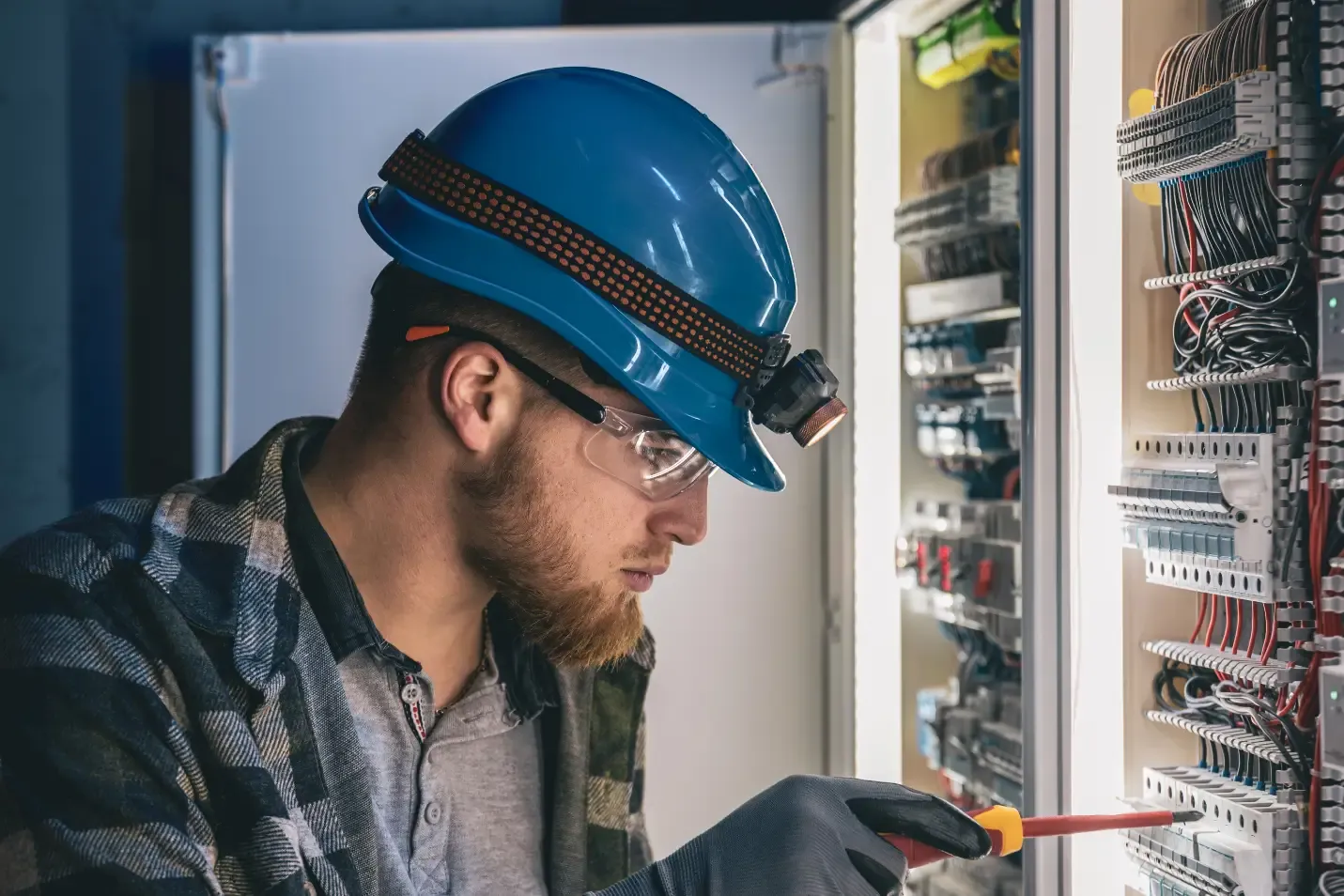
Electrician jobs in Australia can be an excellent career opportunity for qualified tradespeople who have experience with electrical installation, maintenance, repairs, construction, industrial systems, or commercial electrical work. Australia’s construction, infrastructure, manufacturing, mining, renewable energy, and property sectors all depend on skilled electrical workers to install, maintain, and repair electrical systems safely.
For job seekers searching for **Electrician Jobs in Australia**, **Electrical Jobs Australia**, **Electrician Jobs with Visa Sponsorship**, **Construction Electrician Jobs Australia**, **Industrial Electrician Jobs Australia**, or **Electrician Jobs for Foreign Workers**, understanding licensing requirements, qualifications, salaries, duties, and employment conditions is essential.
Unlike many general labour jobs, electrical work in Australia is a regulated trade. This means that having electrical experience in another country does not automatically give someone permission to perform electrical work independently in Australia. Applicants should understand the licensing and skills-recognition requirements before accepting employment.
## What Does an Electrician Do in Australia?
An electrician installs, maintains, tests, repairs, and troubleshoots electrical systems and equipment. The exact responsibilities depend on the type of electrical work and the industry.
Electricians may work on residential properties, commercial buildings, factories, construction sites, infrastructure projects, industrial facilities, and specialised electrical systems.
Typical duties may include:
* Installing electrical wiring
* Installing switches and power outlets
* Installing lighting systems
* Connecting electrical equipment
* Testing electrical circuits
* Diagnosing electrical faults
* Repairing electrical systems
* Reading electrical plans
* Maintaining electrical equipment
* Replacing damaged components
* Installing control systems
* Performing safety inspections
* Following electrical standards
* Maintaining work records
* Using electrical testing equipment
Electricians must follow Australian electrical safety requirements and the rules applicable in the state or territory where they work.
## Why Are Electricians Important in Australia?
Electricity is essential to almost every modern building and industrial operation.
Residential homes require electrical systems for lighting, appliances, heating, cooling, communication, and other services. Commercial buildings rely on electrical systems for computers, lighting, security, air conditioning, machinery, and other equipment.
Industrial facilities can have much more complex electrical systems involving motors, control panels, automation equipment, generators, and specialised machinery.
As Australia continues to develop housing, infrastructure, commercial facilities, renewable energy projects, and industrial operations, electrical skills remain important across many industries.
## Types of Electrician Jobs in Australia
The electrical industry includes many different career paths.
### Residential Electrician
Residential electricians work on homes and residential properties.
Their duties can include installing wiring, lighting, power outlets, switchboards, smoke alarms, appliances, and other electrical systems.
They may work on new construction projects, renovations, repairs, and maintenance.
### Commercial Electrician
Commercial electricians work in offices, shopping centres, restaurants, hotels, schools, hospitals, warehouses, and other commercial properties.
Commercial electrical projects can involve larger systems and more complex installation requirements than residential work.
### Industrial Electrician
Industrial electricians work with electrical systems in factories, processing plants, manufacturing facilities, and other industrial environments.
They may work with motors, machinery, control systems, industrial wiring, automation equipment, and electrical maintenance.
### Construction Electrician
Construction electricians work on building projects.
They may install electrical systems in new houses, apartment buildings, commercial developments, warehouses, and infrastructure projects.
### Maintenance Electrician
Maintenance electricians focus on keeping electrical systems and equipment operating safely.
They may inspect equipment, identify faults, perform repairs, replace components, and conduct preventative maintenance.
### Mining Electrician
Australia’s mining industry uses electricians to maintain electrical systems and machinery at mining operations.
Mining electrical work can involve specialised equipment and strict safety requirements.
Applicants interested in mining electrician jobs should carefully check the required qualifications, licences, experience, site requirements, and roster arrangements.
### Renewable Energy Electrician
The growth of solar energy, battery storage, and other renewable technologies has created additional areas of work for electrical professionals.
Electricians may work on solar installations, electrical connections, battery systems, and other energy-related projects, depending on their qualifications and licensing.
## Electrician Licensing Requirements in Australia
One of the most important things international applicants need to understand is that electrical work is regulated in Australia.
Electrical licensing is generally administered by the relevant state or territory authority. Requirements can differ depending on where you intend to work.
An overseas-trained electrician may need to have qualifications and skills assessed and may need to complete additional training, examinations, supervised work, or licensing steps before receiving the relevant Australian licence.
For this reason, simply stating that you have worked as an electrician overseas is not enough to assume you can legally perform the same work independently in Australia.
Applicants should check the requirements of the specific state or territory where they intend to work.
## Qualifications for Electrician Jobs
Australian employers may look for applicants who have completed a recognised electrical apprenticeship or relevant electrical qualification.
Common areas of training include:
* Electrical installation
* Electrical maintenance
* Electrical safety
* Wiring systems
* Electrical theory
* Testing and fault finding
* Switchboards
* Motors and equipment
* Workplace safety
The exact qualification required depends on the role and licensing requirements.
International electricians should also investigate Australia’s skills-recognition process if they want to have overseas qualifications assessed.
## Electrician Salary in Australia
Electrician salaries vary depending on experience, location, licence status, industry, employer, qualifications, overtime, and the type of work.
An apprentice, newly qualified electrician, experienced electrician, industrial electrician, and specialised electrician may all have different pay levels.
Some jobs are paid hourly, while others offer an annual salary.
Applicants should carefully review the advertised rate and employment agreement.
Salary packages may also include additional benefits such as:
* Overtime
* Weekend penalty rates
* Travel allowances
* Tool allowances
* Site allowances
* Accommodation for remote work
* Vehicle allowances
* Superannuation
The exact benefits depend on the employer and applicable employment arrangement.
When comparing electrician jobs, applicants should look beyond the headline salary and understand the complete employment package.
## What Skills Do Australian Employers Want?
Technical knowledge is essential, but employers also look for strong workplace skills.
Important qualities include:
* Electrical troubleshooting
* Fault finding
* Reading technical drawings
* Safe work practices
* Attention to detail
* Problem-solving
* Communication
* Time management
* Teamwork
* Reliability
* Physical fitness
* Ability to work independently
* Knowledge of electrical safety
* Ability to follow instructions
An electrician may sometimes work alone at a customer property or construction site, so professional communication and independent decision-making can be important.
## Electrician Jobs for International Workers
Australia attracts skilled workers from many countries, including tradespeople with electrical experience.
However, international applicants should understand that a job offer does not automatically provide Australian work rights.
Visa eligibility depends on the applicant, occupation, employer, qualifications, experience, and the particular visa program.
Some employers may be able to sponsor eligible skilled workers, but **visa sponsorship is not guaranteed for every electrician vacancy**.
If a job advertisement says “Electrician Jobs with Visa Sponsorship,” applicants should verify exactly what the employer means by sponsorship and whether the position is eligible under the relevant Australian immigration program.
Always check current requirements through official Australian immigration and skills-recognition sources before paying money or making travel arrangements.
## Electrician Jobs With Accommodation
Some employers in remote areas, mining operations, regional construction projects, or specialised industries may offer accommodation.
However, accommodation is not automatically included with every electrician position.
If accommodation is advertised, ask:
* Is it free?
* Is it shared or private?
* Is it on-site?
* Are utilities included?
* Is transport provided?
* Are accommodation costs deducted from wages?
* Is accommodation available only while working on the project?
Getting these details in writing is recommended.
## Electrician Jobs in Construction
Construction is one of the major areas where electricians can find employment.
Electricians may work on:
* Residential developments
* Apartment buildings
* Commercial buildings
* Warehouses
* Shopping centres
* Schools
* Infrastructure projects
* Industrial facilities
Construction electricians need to understand drawings, installation procedures, safety requirements, and coordination with other trades.
Because construction sites can be busy environments, strong communication and safety awareness are particularly important.
## Industrial Electrician Jobs
Industrial electrical work can be more specialised than residential work.
Industrial electricians may work with:
* Motors
* Control panels
* Production machinery
* Automation systems
* Industrial wiring
* Sensors
* Electrical testing equipment
* Preventative maintenance systems
Employers may prefer candidates with experience in manufacturing, processing plants, machinery maintenance, automation, or industrial electrical systems.
## Mining Electrician Jobs
Mining can offer opportunities for experienced electrical tradespeople, but it can also involve demanding working conditions.
Mining electricians may work at remote sites and may be required to work roster-based schedules.
Some positions can involve long periods away from home.
Applicants should check whether a role requires:
* Specific electrical licences
* Mining experience
* Site safety training
* Medical assessments
* Drug and alcohol testing
* Working-at-heights training
* Other site-specific qualifications
Requirements can vary between employers and projects.
## How to Write an Electrician Resume
A strong electrician CV should clearly demonstrate your technical experience.
Start with a professional summary.
For example:
“Qualified and safety-focused electrician with experience in electrical installation, maintenance, fault finding, testing, and repair. Experienced in residential and commercial environments with a strong commitment to workplace safety and quality.”
Then list your employment history.
Include:
* Employer name
* Position
* Employment dates
* Main responsibilities
* Types of electrical systems worked on
* Industries served
You should also clearly list your licences and qualifications.
For international applicants, specify your home-country electrical qualification and experience honestly and explain whether you are currently pursuing Australian licensing or skills recognition, if applicable.
## How to Find Legitimate Electrician Jobs in Australia
Finding a genuine employer is especially important for overseas applicants.
A professional job advertisement should normally provide:
* Company name
* Job location
* Job title
* Licence requirements
* Qualifications
* Experience requirements
* Salary or pay range
* Working hours
* Employment type
* Application instructions
Be careful with advertisements promising guaranteed Australian visas or extremely high salaries without explaining qualifications and licensing requirements.
Never pay an unknown individual simply because they claim they can “guarantee” an Australian electrician job or visa.
If sponsorship is advertised, independently verify the employer and the relevant immigration requirements.
## Questions to Ask Before Accepting an Electrician Job
Before accepting an offer, ask the employer:
1. What electrical licence is required?
2. Is the position full-time, part-time, casual, or contract?
3. What is the hourly rate or annual salary?
4. Are overtime rates available?
5. Are weekend or public holiday penalty rates applicable?
6. What type of electrical work will I perform?
7. What qualifications are required?
8. Is Australian licensing required before starting?
9. Does the employer offer visa sponsorship?
10. Is accommodation available?
11. Is transport provided?
12. What tools and equipment must I provide?
13. What are the working hours?
14. Is the job located in a regional or remote area?
15. What safety training is required?
These questions can help applicants understand the position before making a commitment.
## Safety Is a Top Priority
Electrical work can involve serious hazards, so safety should always come first.
Electricians need to follow appropriate safety procedures when working with electrical systems, equipment, tools, and construction environments.
Never perform electrical work outside your legal authorisation or training.
Workers should use appropriate personal protective equipment, follow site procedures, isolate electrical systems when required, and use properly maintained tools and testing equipment.
If you are an overseas electrician, make sure you understand Australia’s electrical safety requirements before performing work.
## Career Growth for Electricians
Electrical work can provide a strong pathway for professional development.
An electrician may progress into specialised areas such as:
* Industrial electrical work
* Electrical maintenance
* Automation
* Mining
* Renewable energy
* Construction
* Electrical supervision
* Project management
* Electrical contracting
With additional training, experience, and the appropriate licences, experienced electricians can move into supervisory or management roles.
Some electricians eventually establish their own electrical contracting businesses, subject to the licensing and business requirements applicable in their state or territory.
## Is Electrician Work a Good Career in Australia?
For people who enjoy technical work, problem-solving, construction, machinery, and practical tasks, electrical work can be a rewarding career.
Electricians work across many industries, which can provide variety and opportunities to specialise.
The profession also requires continuous learning because electrical technology, equipment, safety requirements, and industry practices continue to develop.
However, applicants should understand that electrical work can be physically demanding and involves significant responsibility.
Safety, accuracy, and legal compliance are essential.
## Final Thoughts on Electrician Jobs in Australia
**Electrician Jobs in Australia** can provide valuable opportunities for qualified and experienced electrical workers across construction, residential services, commercial buildings, manufacturing, mining, maintenance, infrastructure, and renewable energy.
However, electrical work is a regulated trade, so applicants should never assume that overseas experience automatically provides permission to work independently as an electrician in Australia.
If you are searching for **Electrician Jobs in Australia**, useful SEO keywords include **Electrician Jobs Australia, Electrical Jobs Australia, Electrician Jobs with Visa Sponsorship Australia, Construction Electrician Jobs Australia, Industrial Electrician Jobs Australia, Maintenance Electrician Jobs Australia, Mining Electrician Jobs Australia, Commercial Electrician Jobs Australia, Electrical Technician Jobs Australia, and Skilled Electrician Jobs Australia**.
For international applicants, the most important steps are to check the appropriate Australian licensing requirements, verify whether your overseas qualifications can be recognised, understand your work rights, and research potential employers carefully.
A strong CV should highlight your electrical qualifications, practical experience, licence status, technical skills, safety knowledge, and areas of specialisation.
Before accepting a job, always confirm the employer, location, pay rate, working hours, licensing requirements, accommodation arrangements, and visa conditions where applicable.
With the right qualifications, licensing pathway, practical experience, and professional attitude, **Electrician Jobs in Australia** can offer a strong career path for skilled tradespeople who want to build their future in Australia’s growing construction, infrastructure, industrial, and energy sectors.
**Always verify current Australian licensing, employment, and immigration requirements through official sources before applying or making financial commitments, as rules and individual job conditions can change.**