
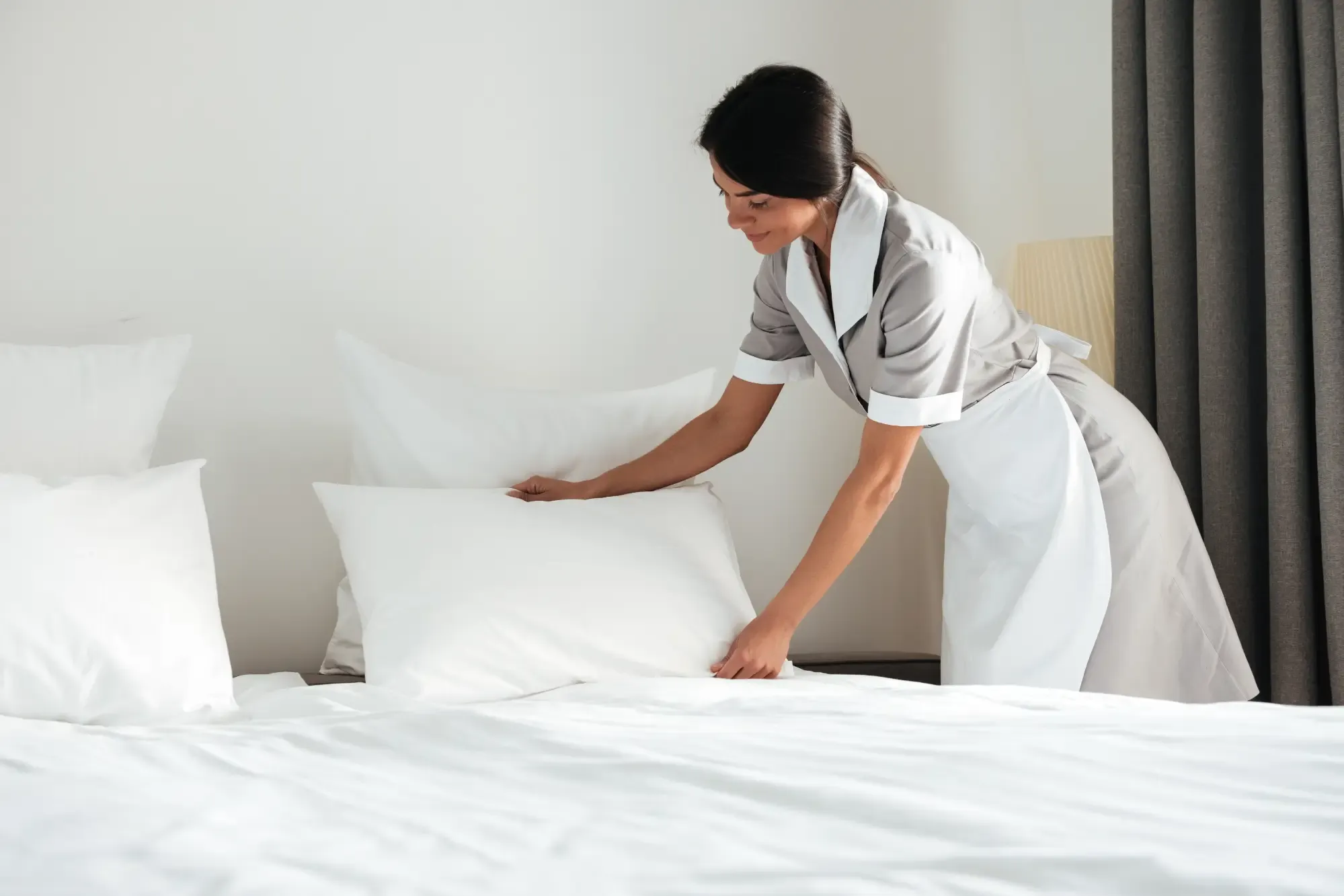
A clean, organized, and comfortable home requires regular attention. In Singapore, many households and hospitality businesses depend on housekeeping and domestic support workers to help maintain high standards of cleanliness and organization. This has made maid and housekeeping-related work an important area of employment for people interested in service-oriented careers.
Housekeeping is sometimes misunderstood as simple routine work, but professional domestic and housekeeping responsibilities can involve a wide range of activities. Depending on the environment, workers may help with cleaning rooms, organizing living spaces, laundry, ironing, kitchen cleaning, general household maintenance, and other everyday tasks.
The exact responsibilities depend on the household or workplace. Someone working in a private residence may have a very different routine from someone working in a hotel, serviced apartment, or other hospitality environment. Understanding these differences is important for anyone considering this type of career.
One of the most important qualities in housekeeping work is reliability. Families and businesses need people who can be trusted with regular responsibilities. Consistency helps create a comfortable environment and allows household routines or business operations to run smoothly.
Attention to detail is equally valuable. A professional housekeeper notices areas that may be overlooked during a quick cleaning session. Properly organized rooms, clean surfaces, fresh linens, tidy kitchens, and well-maintained bathrooms all contribute to the overall quality of a living or working environment.
Time management is another useful skill. Housekeeping responsibilities can involve several tasks that need to be completed within a certain period. Workers who learn how to organize their routine can complete tasks efficiently without compromising quality.
For people working in private homes, communication and respect are particularly important. Every household has its own routines and preferences. A worker may need to learn how the household organizes cleaning, laundry, meals, storage, or other daily activities. Listening carefully and following agreed instructions can help create a positive working relationship.
Professional boundaries are important as well. Workers and employers both benefit when responsibilities and expectations are clearly understood. Clear communication about schedules, duties, days off, and other working arrangements can reduce confusion and help create a respectful workplace.
Housekeeping work can also be physically active. Cleaning floors, carrying supplies, washing clothes, making beds, standing for extended periods, and organizing household items can require energy and stamina. People considering this type of work should understand the physical nature of the responsibilities.
Experience can be helpful, particularly for people who have previously worked in housekeeping, hospitality, domestic services, or similar environments. At the same time, practical skills can often improve with training and experience. Learning how to use cleaning equipment properly, manage different surfaces, organize supplies, and follow hygiene practices can make a worker more effective.
Hygiene is one of the most important parts of housekeeping. Proper cleaning helps reduce dirt, unpleasant odours, and the spread of germs. Workers should follow appropriate cleaning procedures and use products carefully. Different surfaces may require different methods, and cleaning products should always be used according to their instructions.
Laundry can also be an important part of housekeeping work. Sorting clothes, selecting appropriate washing methods, drying items properly, folding garments, and ironing require attention and care. Different fabrics can have different requirements, so learning proper laundry practices can be a useful professional skill.
Kitchen responsibilities may include cleaning counters, washing dishes, maintaining appliances, organizing supplies, and keeping food preparation areas hygienic. The specific duties depend on the household or workplace.
For those interested in hospitality, housekeeping can also provide valuable industry experience. Hotels and serviced properties depend heavily on housekeeping teams because cleanliness directly affects the guest experience. Workers who develop strong skills in this area may eventually have opportunities to progress into supervisory or coordination roles.
Singapore’s service industry provides a multicultural environment where workers may interact with colleagues and customers from many different backgrounds. Professional behaviour, patience, teamwork, and respectful communication can therefore be extremely valuable.
People searching for housekeeping opportunities should carefully review the details of any position before accepting it. Working arrangements can vary significantly. Applicants should understand the nature of the work, expected schedule, responsibilities, employment terms, and other relevant conditions.
It is also important to use trustworthy sources when searching for opportunities. Personal information should only be provided through appropriate and reliable channels. Applicants should be cautious about offers that make unrealistic promises or request unusual payments or sensitive information without proper explanation.
Building a good professional reputation can make a significant difference in housekeeping careers. Employers appreciate workers who arrive on time, complete tasks carefully, communicate properly, and treat property with respect. A strong reputation can lead to better opportunities and professional growth.
Housekeeping skills can also be useful beyond a single position. Organization, time management, cleanliness, responsibility, and attention to detail are transferable skills that can be valuable in hospitality, facility services, caregiving environments, and other service industries.
For people who enjoy organized environments and practical work, housekeeping can be a meaningful career path. It provides an opportunity to develop useful skills while contributing directly to the comfort and well-being of others.
The demand for clean and well-maintained homes and facilities is unlikely to disappear. As households and businesses continue to value cleanliness and convenience, people with strong housekeeping skills can remain an important part of the service workforce.
Anyone interested in maid or housekeeping opportunities should approach the process with realistic expectations. The work requires responsibility, patience, physical effort, and professionalism. Those who develop these qualities can create a solid foundation for their career.
Singapore can offer opportunities for people who are ready to work hard and adapt to professional standards. Whether someone has previous housekeeping experience or is looking to develop new skills, the right opportunity can become an important step toward a more stable professional future.