
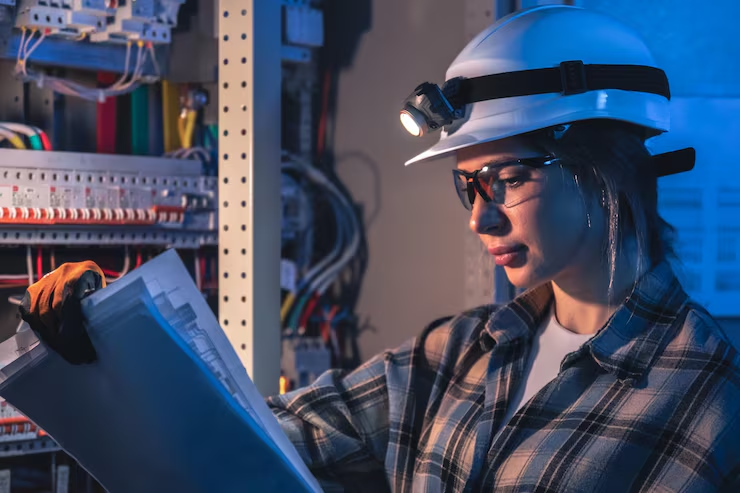
Electrician jobs are an important part of the construction, maintenance, manufacturing, commercial, and residential industries. Electrical systems are used in homes, offices, factories, warehouses, hotels, hospitals, shops, and infrastructure projects, creating ongoing demand for qualified electrical professionals.
Electricians install, maintain, inspect, troubleshoot, and repair electrical systems and equipment. Because electrical work can involve serious safety risks, many professional electrician positions require appropriate training, licences, certifications, and practical experience.
What Does an Electrician Do?
An electrician works with electrical wiring, equipment, circuits, control systems, fixtures, and other electrical components.
Daily responsibilities can vary depending on whether an electrician works in residential construction, commercial buildings, industrial facilities, maintenance, or large construction projects.
Common duties include installing electrical systems, reading technical drawings, testing equipment, identifying faults, repairing electrical components, and ensuring work follows applicable electrical codes and safety requirements.
Common Types of Electrician Jobs
Electricians can specialize in different areas.
- Residential Electrician: Works on electrical systems in houses and residential buildings.
- Commercial Electrician: Installs and maintains electrical systems in commercial properties.
- Industrial Electrician: Works with electrical equipment and systems in factories and industrial facilities.
- Maintenance Electrician: Maintains and repairs existing electrical systems.
- Construction Electrician: Installs electrical systems during construction projects.
- Journeyman Electrician: Performs professional electrical work after completing required training and licensing requirements.
- Electrical Technician: Works with electrical equipment, testing, maintenance, and technical systems.
Typical Electrician Responsibilities
Electrician jobs can include a wide variety of tasks.
- Install electrical wiring and components.
- Read and interpret blueprints and electrical diagrams.
- Install lighting fixtures and electrical equipment.
- Test electrical systems and components.
- Troubleshoot electrical faults.
- Repair or replace damaged electrical components.
- Maintain electrical equipment.
- Follow electrical codes and regulations.
- Use electrical testing equipment.
- Coordinate with construction teams and other trades.
- Maintain workplace safety standards.
- Document completed work where required.
Requirements for Electrician Jobs
Requirements vary depending on location and position. Many professional electrician roles require formal training, practical experience, and an appropriate licence.
Some entry-level electrical helper positions may have fewer requirements and provide on-the-job training.
Experienced electrician positions can require several years of practical experience and specific certifications.
Candidates should carefully check local licensing requirements before applying.
Important Skills for Electricians
Technical knowledge is essential, but successful electricians also need strong problem-solving skills.
Electrical troubleshooting allows electricians to identify faults and determine the appropriate repair.
Attention to detail is critical because small wiring errors can create serious safety problems.
Blueprint reading helps electricians understand the layout of electrical systems.
Communication is important because electricians frequently work alongside engineers, contractors, supervisors, and other tradespeople.
Safety awareness is essential when working with electricity and electrical equipment.
Electrician Jobs in Construction
Construction projects require electricians to install electrical systems in new buildings and developments.
Responsibilities can include installing wiring, distribution equipment, lighting, outlets, switches, electrical panels, and other components.
Construction electricians may need to coordinate their work with plumbers, HVAC technicians, carpenters, construction managers, and other workers.
Industrial Electrician Jobs
Industrial electricians work in factories, manufacturing plants, warehouses, and other industrial environments.
They may maintain motors, control systems, production equipment, electrical panels, sensors, and other machinery.
Industrial electrical work can require additional technical knowledge because modern manufacturing systems may combine electrical, mechanical, computerized, and automated technologies.
How to Find Electrician Jobs
Job seekers can use employment websites, company career pages, recruitment agencies, trade organizations, and professional networks.
Useful search terms include:
- Electrician Jobs
- Journeyman Electrician Jobs
- Industrial Electrician Jobs
- Commercial Electrician Jobs
- Residential Electrician Jobs
- Electrical Technician Jobs
- Construction Electrician Jobs
- Maintenance Electrician Jobs
Adding a location can help candidates find relevant opportunities.
How to Build a Strong Electrician CV
An electrician’s CV should clearly identify technical qualifications, licences, practical experience, and areas of specialization.
Include:
- Electrical licences and certifications.
- Years of experience.
- Residential, commercial, or industrial experience.
- Types of electrical systems worked on.
- Equipment and tools used.
- Safety training.
- Relevant technical education.
- Major projects completed.
Avoid listing skills that you cannot demonstrate during an interview or practical assessment.
Safety in Electrical Work
Electrical work requires strict attention to safety. Workers should follow applicable electrical codes, company procedures, lockout and isolation procedures, and required protective equipment rules.
Electricians should never take unnecessary risks when working with energized systems.
Employers may require safety training before allowing workers to perform specific tasks.
Career Growth for Electricians
Electrical work can provide several career development opportunities. Experienced electricians may progress into senior technician, supervisor, foreman, electrical project management, or specialized technical positions.
Additional training can also help electricians move into industrial automation, control systems, renewable energy, building management systems, or other specialized fields.
Salary Factors for Electricians
Electrician salaries vary by country, experience, licence level, specialization, employer, industry, and project type.
Industrial and specialized electrical positions may have different compensation structures from entry-level residential roles.
Candidates should always check the advertised salary, overtime arrangements, benefits, working hours, and other employment conditions before accepting an offer.
Frequently Asked Questions About Electrician Jobs
Do electricians need a licence?
In many locations, professional electrical work requires licensing or certification. Requirements depend on local regulations.
Can beginners become electricians?
Yes. Many electricians begin through apprenticeships, vocational training, or electrical helper positions.
Is electrician work physically demanding?
It can be. Electricians may stand for long periods, climb ladders, work in confined spaces, lift equipment, and perform repetitive tasks.
Are electrician jobs available internationally?
Electrical professionals are employed worldwide, but qualifications and licensing requirements may differ from one country to another.
Final Thoughts
Electrician jobs can offer a strong career path for people interested in technical work, construction, maintenance, and electrical systems. With appropriate training, practical experience, and licensing, electricians can work across residential, commercial, industrial, and infrastructure sectors.
Job seekers should carefully review the requirements of each position and make sure their qualifications match local regulations. Building strong technical and safety skills can help electricians access more advanced career opportunities over time.