
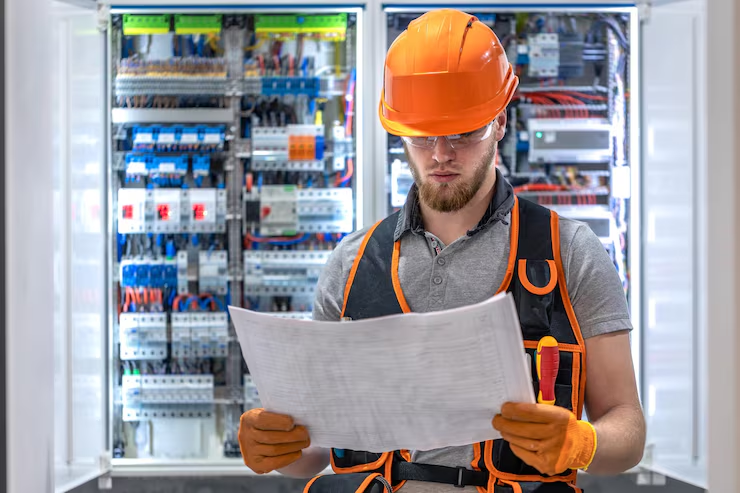
Electrician jobs are an important part of the construction, maintenance, industrial, commercial, and residential sectors. Skilled electricians are responsible for installing, maintaining, testing, troubleshooting, and repairing electrical systems and equipment. As businesses, homes, factories, hotels, offices, and construction projects continue to require reliable electrical systems, there are ongoing opportunities for people with electrical skills and experience.
Our Electrician Jobs category helps job seekers discover electrical work opportunities in different locations and industries. Whether you are an experienced electrician, an electrical technician, an apprentice, or someone looking to develop a career in the electrical trade, this category can help you find suitable opportunities.
What Does an Electrician Do?
An electrician works with electrical wiring, equipment, fixtures, control systems, and other electrical components. The exact duties depend on the type of job and workplace, but electricians generally help ensure that electrical systems operate safely and efficiently.
- Install electrical wiring and electrical equipment.
- Read and interpret electrical drawings and diagrams.
- Inspect electrical systems for faults and safety issues.
- Repair damaged wiring and electrical components.
- Install lighting fixtures, switches, sockets, and electrical panels.
- Test electrical circuits and equipment.
- Troubleshoot electrical problems.
- Perform preventive maintenance.
- Follow electrical codes and workplace safety procedures.
- Work with construction teams, engineers, contractors, and other trades.
Types of Electrician Jobs
Electricians can work in several different environments. Residential electricians usually work in houses, apartments, and residential developments. Commercial electricians may work in offices, shopping centers, hotels, restaurants, schools, and other commercial buildings.
Industrial electricians commonly work in factories, warehouses, production facilities, and industrial plants. Construction electricians install electrical systems in new buildings and construction projects. Maintenance electricians focus on keeping existing electrical systems operational and responding to electrical faults.
Skills Needed for Electrician Jobs
Electrical work requires technical knowledge, practical skills, attention to detail, and a strong understanding of safety procedures. Employers often look for candidates who can work independently while also cooperating with supervisors and other workers.
- Knowledge of electrical systems and equipment.
- Ability to read electrical drawings and schematics.
- Strong troubleshooting and problem-solving skills.
- Good attention to detail.
- Ability to use electrical tools and testing equipment.
- Understanding of workplace safety requirements.
- Good communication skills.
- Ability to follow instructions accurately.
- Physical ability to perform electrical work safely.
- Willingness to continue learning new electrical technologies.
Electrician Qualifications and Experience
Qualification requirements vary depending on the country, employer, and type of electrical work. Some positions require formal electrical training, technical qualifications, certification, or a professional license. Experienced electrician positions may require several years of practical experience.
Entry-level positions and apprenticeships can provide opportunities for people who are beginning their electrical careers. Candidates should always check the specific requirements of each job before applying.
Where Electricians Can Work
Electricians are employed across many industries. Construction companies hire electricians for building projects, while property management companies require electrical maintenance workers. Manufacturing facilities, hotels, hospitals, retail businesses, warehouses, and government facilities may also employ electrical professionals.
Electricians may also work for electrical contractors or operate their own electrical businesses after meeting the applicable licensing and business requirements.
Electrician Jobs Abroad
Skilled electricians may find opportunities in international markets where construction, infrastructure, manufacturing, and property development create demand for electrical workers. International applicants should carefully review licensing, work permit, qualification recognition, and employer requirements before accepting a position.
How to Find Electrician Jobs
When searching for an electrician position, use relevant keywords such as electrician jobs, electrical technician jobs, industrial electrician jobs, maintenance electrician jobs, construction electrician jobs, electrical installer jobs, and electrician vacancies.
Keep your CV updated and clearly list your qualifications, licenses, certifications, previous projects, technical skills, and relevant experience. If you have experience with specific electrical systems or equipment, include those details as well.
Safety in Electrical Work
Electrical work can involve serious hazards, so safety should always be a priority. Electricians must follow applicable electrical codes, use appropriate personal protective equipment, isolate electrical supplies when required, and follow workplace procedures.
Employees should never perform electrical work beyond their training or authorization. Proper tools, testing equipment, and safety procedures help reduce workplace risks.
Career Growth for Electricians
Electrical careers can offer several opportunities for professional development. An entry-level worker may progress to an experienced electrician, senior electrician, electrical supervisor, foreman, or electrical project management role depending on qualifications and experience.
Additional training in automation, industrial systems, renewable energy, controls, or specialized electrical technologies can also help electricians expand their career options.
Why Choose a Career as an Electrician?
Electrician work can be a practical career for people who enjoy technical problem-solving and hands-on work. Electrical systems are required in almost every modern building and industrial environment, making electrical skills useful across many sectors.
For candidates who are willing to learn, follow safety procedures, and develop their technical abilities, electrician jobs can provide opportunities to build valuable long-term skills.
Tips for Applying for Electrician Jobs
- Keep your CV clear and updated.
- List all relevant electrical qualifications and licenses.
- Include practical electrical experience.
- Mention specialized equipment or systems you can work with.
- Highlight your safety knowledge.
- Provide accurate employment history.
- Check licensing requirements for the job location.
- Prepare for technical questions during interviews.
Final Thoughts
Electrician jobs provide opportunities across construction, residential, commercial, industrial, maintenance, and infrastructure sectors. Whether you are starting your career or looking for a new position as an experienced electrical professional, regularly checking suitable vacancies can help you discover new opportunities.
Explore available Electrician Jobs and review each vacancy carefully to understand its location, salary, qualifications, responsibilities, and application requirements.
Frequently Asked Questions About Electrician Jobs
Do electrician jobs require experience?
Many experienced positions require previous electrical experience, while apprenticeships and entry-level opportunities may provide training.
Do electricians need a license?
Licensing requirements vary by country and type of electrical work. Candidates should check the requirements applicable to the specific position.
Where can electricians work?
Electricians can work in homes, commercial buildings, factories, warehouses, construction sites, hotels, offices, and many other environments.