
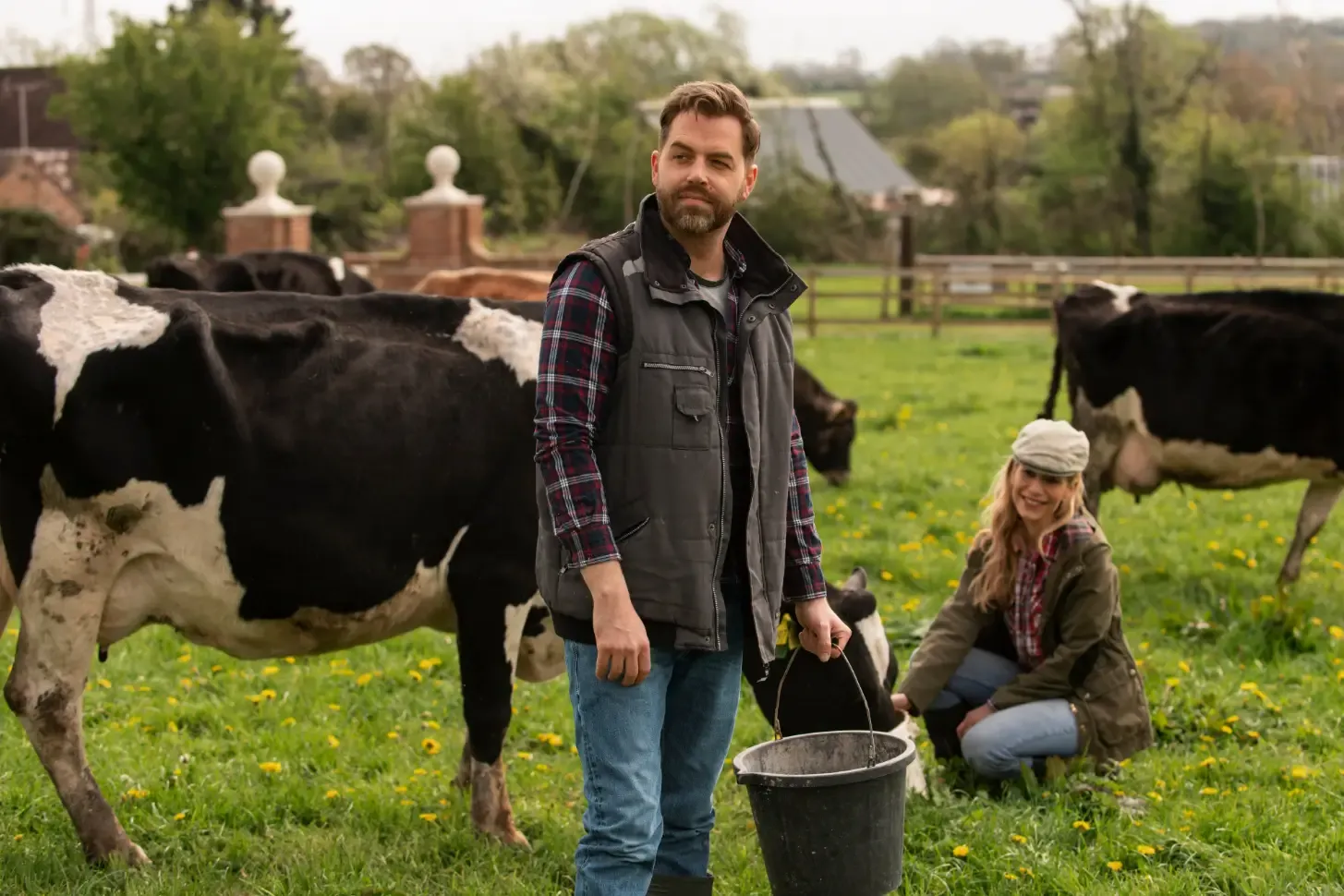
Dairy Farm Worker Jobs in New Zealand can be an excellent opportunity for people who enjoy outdoor work, working with animals, and building a career in agriculture. New Zealand is internationally recognised for its dairy industry, and dairy farms operate across many rural regions of the country. For hardworking people who are comfortable with physical work and early mornings, dairy farming can provide practical experience and a pathway toward more senior agricultural roles.
People searching online for **Dairy Farm Worker Jobs in New Zealand**, **Dairy Farm Jobs New Zealand**, **Farm Worker Jobs NZ**, **Dairy Farm Assistant Jobs**, **Dairy Farmer Jobs New Zealand**, or **Agriculture Jobs in New Zealand** will find that the industry includes a wide range of positions. Some jobs focus mainly on milking and animal care, while others involve feeding livestock, maintaining fences, operating farm machinery, cleaning equipment, and supporting general farm operations.
New Zealand’s agriculture career information includes dairy farm assistants, dairy farmers, dairy herd managers, and dairy farm managers among the country’s agriculture and horticulture career pathways.
## What Is a Dairy Farm Worker?
A dairy farm worker helps with the daily operation of a dairy farm. The exact responsibilities depend on the size of the farm, the employee’s experience, the season, and the position.
A beginner may work under the supervision of a farm manager or experienced farmer, while an experienced worker may be given greater responsibility for livestock, milking routines, machinery, or other farm activities.
The work is practical and can involve a combination of animal care, cleaning, maintenance, machinery operation, and general farm duties.
Common responsibilities can include:
* Helping with milking
* Feeding dairy cattle
* Moving cows between paddocks
* Checking animals for signs of illness or injury
* Cleaning milking equipment
* Maintaining farm buildings
* Repairing fences
* Cleaning yards and work areas
* Operating farm machinery
* Moving feed and supplies
* Maintaining pasture areas
* Assisting with calving activities
* Recording livestock information
* Following animal welfare procedures
* Supporting the farm manager with daily tasks
The work can change from day to day, which makes dairy farming particularly suitable for people who prefer practical work rather than sitting in an office.
## What Does a Dairy Farm Assistant Do?
A dairy farm assistant is often an entry-level or developing role within dairy farming. The worker supports the farmer, herd manager, or farm supervisor with routine operations.
A typical day may begin early in the morning because dairy cows generally need to be milked according to a regular schedule.
Depending on the farm, an assistant may help prepare the milking area, bring cows into the dairy, assist during milking, clean equipment, check animals, and complete other farm tasks.
During the rest of the day, duties may include feeding animals, maintaining fences, cleaning facilities, checking water supplies, moving stock, and preparing for the next milking.
This means that a dairy farm worker needs to be flexible and willing to perform different tasks.
## Dairy Farm Worker Duties
Dairy farming requires consistency because animals need regular care every day of the year.
### Milking
Milking is one of the most important responsibilities on a dairy farm. Workers may assist with bringing cows to the milking shed, preparing equipment, monitoring the milking process, and cleaning the equipment afterward.
Workers must follow farm procedures carefully to maintain hygiene and animal welfare.
### Feeding Animals
Dairy cattle need appropriate nutrition to maintain health and productivity. Workers may help distribute feed, prepare supplements, check feeding areas, and monitor whether animals are eating properly.
### Animal Health Checks
Farm workers regularly observe cattle and report unusual behaviour, injuries, illness, or other concerns to the appropriate person.
Good observation skills are important because early identification of problems can help the farm respond appropriately.
### Cleaning
Cleaning is an essential part of dairy farming. Workers may clean milking equipment, yards, sheds, feeding areas, and other facilities.
Maintaining clean working areas also contributes to hygiene and food-quality procedures.
### Moving Cattle
Dairy farm workers may regularly move cattle between paddocks, yards, and the milking area.
Workers need to understand safe livestock-handling practices and follow the farm’s procedures.
### Farm Maintenance
General maintenance can include repairing fences, maintaining gates, checking water systems, cleaning buildings, and helping keep equipment in working condition.
## Is Dairy Farm Work Physically Demanding?
Yes. Dairy farm work can be physically demanding.
Workers may spend many hours standing and walking, lifting supplies, working outdoors, handling animals, cleaning equipment, and performing repetitive tasks.
Weather conditions can also make the work challenging. Farm workers may need to work during rain, cold mornings, strong sunlight, or muddy conditions.
People considering dairy farm jobs should therefore be prepared for an active working environment.
Physical fitness is useful, but attitude is equally important. Employers value workers who are reliable, willing to learn, responsible, and comfortable working as part of a team.
## Do You Need Previous Farm Experience?
Not necessarily.
New Zealand career information indicates that farm worker roles do not have specific entry requirements, although some employers prefer applicants who have completed a pre-employment farming programme or are working toward a relevant qualification.
Previous experience can still be a major advantage.
Useful experience may include:
* Dairy farming
* Cattle handling
* Animal care
* General farm work
* Tractor operation
* Fencing
* Landscaping
* Agricultural labour
* Machinery operation
* Rural maintenance
Applicants without dairy experience can highlight transferable skills such as physical fitness, reliability, outdoor work, mechanical ability, animal handling, and willingness to learn.
## Qualifications for Dairy Farm Jobs in New Zealand
Many entry-level dairy farm jobs do not require a university degree.
Practical experience and a good work ethic can be very important.
However, agricultural training can help candidates develop technical knowledge and improve their career opportunities.
Relevant training can include agriculture, animal husbandry, farm management, machinery operation, workplace safety, and other primary-industry programmes.
As workers gain experience, they can potentially progress toward roles such as dairy herd manager, dairy farmer, or dairy farm manager. New Zealand career information identifies these as different levels within the agriculture and horticulture sector.
## Dairy Farm Worker Salary in New Zealand
Dairy farm wages vary according to experience, location, farm size, responsibilities, accommodation arrangements, skills, and the employment agreement.
Older career information from Careers New Zealand lists dairy farm worker earnings in a historical range of around NZD $40,000–$47,000 annually, but applicants should not use those older figures as a current salary guarantee.
For current employment, the New Zealand adult minimum wage is **NZD $23.95 per hour from 1 April 2026**, before tax and lawful deductions. The minimum wage applies to each hour worked and cannot simply be averaged across a season.
Actual dairy farm salaries may be higher depending on the position and responsibilities.
Experienced workers, herd managers, machinery operators, and farm supervisors can have different pay arrangements from entry-level farm assistants.
Before accepting a job, always ask for the exact pay rate and employment conditions in writing.
## Accommodation on Dairy Farms
Some rural employers may provide accommodation to workers because farms can be located far from towns.
However, accommodation arrangements differ from one employer to another.
Accommodation may be:
* A room on the farm
* A separate farm cottage
* Shared accommodation
* Private accommodation
* Accommodation provided for an additional cost
Never assume that accommodation is automatically free.
New Zealand employment guidance allows certain agreed deductions for employer-provided accommodation, but the relevant requirements must be followed.
Before accepting an offer, ask:
* Is accommodation provided?
* Is it private or shared?
* How much does it cost?
* Are utilities included?
* Is transport available?
* How far is the accommodation from the farm?
* Are there any deductions from wages?
Getting the details in writing is always a good idea.
## Working Hours on Dairy Farms
Dairy farming does not follow a traditional nine-to-five schedule.
Milking routines often require early starts, and some farms may have afternoon or evening milking as well.
Working hours can vary depending on the farm’s system, season, staffing arrangements, and employment agreement.
Employees must still receive applicable employment rights. New Zealand employment guidance states that employees are entitled to minimum employment rights, including appropriate pay, breaks, holidays, leave, and a written employment agreement.
For example, an employee working an eight-hour day generally receives two paid 10-minute rest breaks and one unpaid 30-minute meal break under the applicable break rules.
Applicants should carefully read the employment agreement before starting work.
## Skills Employers Look For
A successful dairy farm worker needs a combination of practical and personal skills.
Important qualities include:
* Reliability
* Punctuality
* Physical fitness
* Animal-care skills
* Good communication
* Teamwork
* Willingness to learn
* Ability to follow instructions
* Basic mechanical skills
* Safety awareness
* Patience
* Responsibility
* Ability to work independently
Farm employers often need workers who can be trusted to complete routine tasks without constant supervision.
## Animal Welfare Is Important
Dairy farm workers have an important responsibility toward livestock.
Cows must be handled carefully and respectfully. Workers should follow the farm’s animal welfare procedures and report health or welfare concerns to supervisors.
People who enjoy working with animals may find this aspect of dairy farming particularly rewarding.
However, applicants should understand that working with livestock requires confidence, patience, and awareness of animal behaviour.
## Machinery and Tractor Work
Some dairy farms use tractors, loaders, quad bikes, feed equipment, and other agricultural machinery.
Experience operating machinery can therefore be valuable.
However, workers should only operate equipment when they are properly trained, authorised, and competent to do so.
Safety should always come before speed.
If you have previous experience with tractors, farm machinery, vehicles, or mechanical maintenance, mention it clearly on your CV.
## Seasonal Dairy Farm Work
Although dairy farming operates throughout the year, certain periods can become especially busy.
Seasonal work can involve increased labour requirements around calving, herd management, pasture work, maintenance, or other farm activities.
Applicants searching for seasonal agricultural jobs should understand that the exact work and dates depend on the individual farm.
A job advertisement should clearly state whether the position is permanent, fixed-term, seasonal, casual, or another employment type.
## Dairy Farm Jobs for International Workers
New Zealand can attract international workers interested in agricultural employment, but overseas applicants must have the appropriate immigration status and work rights.
A job advertisement alone does not guarantee that an applicant qualifies for a New Zealand work visa.
If you are applying from overseas, check the current visa requirements through official New Zealand immigration sources before paying recruitment fees, booking flights, or making other major commitments.
You should also confirm whether the employer is able to employ workers under the relevant immigration rules.
Do not rely on claims such as:
* “Guaranteed New Zealand visa”
* “Guaranteed permanent residency”
* “No documents required”
* “Pay first and receive your job offer”
* “Guaranteed dairy farm job”
These claims should be independently verified.
## New Zealand Employment Rights
Dairy farm workers who are employees are protected by New Zealand employment law.
Employment New Zealand states that employees have minimum rights covering areas such as employment agreements, pay, breaks, holidays, leave, workplace safety, and employment records.
Employers must provide employees with a written employment agreement, and employees must receive at least the applicable minimum wage for every hour worked if the minimum wage applies to them.
The law also states that employers cannot require employees to pay money simply to obtain or keep a job.
This is especially important for international applicants because fake agricultural job offers can sometimes target people searching for overseas employment.
## How to Find Legitimate Dairy Farm Jobs
Finding a genuine employer is one of the most important steps.
When searching online, look for advertisements that clearly identify:
* Farm or company name
* Job location
* Job title
* Duties
* Pay rate
* Working hours
* Accommodation information
* Experience requirements
* Employment type
* Application process
Research the employer before accepting the position.
If a recruiter asks for a large payment simply to provide a job offer, be cautious.
Do not send your passport, bank information, or other sensitive documents to unknown individuals without verifying who they are and why the information is required.
## How to Write a Dairy Farm Worker CV
A good CV should focus on practical experience and skills.
Start with a short professional summary explaining your interest in dairy farming and your relevant experience.
For example, mention if you are:
* Hardworking
* Physically fit
* Experienced with livestock
* Comfortable working outdoors
* Experienced with farm machinery
* Available for early shifts
* Willing to relocate to rural areas
Your work experience section should describe actual responsibilities.
Instead of writing only “Farm Worker,” explain what you did.
Examples include:
* Assisted with daily cattle care
* Supported milking operations
* Fed and moved livestock
* Cleaned farm equipment
* Maintained fences and gates
* Operated agricultural machinery
* Monitored animal health
* Assisted with general farm maintenance
This gives employers a much clearer picture of your abilities.
## Questions to Ask Before Accepting a Dairy Farm Job
Before signing an employment agreement, ask the employer:
1. What is the exact farm location?
2. What are the daily duties?
3. What is the hourly or annual pay?
4. How many hours are normally worked?
5. What are the milking times?
6. Is accommodation provided?
7. Is accommodation free or paid?
8. Are meals included?
9. Is transport available?
10. What type of employment agreement will I receive?
11. What experience is required?
12. Is machinery training provided?
13. Is the job seasonal or permanent?
14. What are the rest-day arrangements?
15. What visa or work rights are required for international applicants?
Clear answers can help you decide whether the position matches your expectations.
## Career Growth in Dairy Farming
Dairy farming can be more than an entry-level job.
A worker who develops strong practical skills and gains experience may progress into more responsible roles.
A possible career path can look like:
**Dairy Farm Assistant → Experienced Farm Worker → Herd Manager → Dairy Farmer/Farm Manager**
The exact progression depends on experience, training, farm opportunities, and individual career goals.
People who develop skills in animal management, pasture management, machinery operation, farm business management, and leadership can potentially take on greater responsibilities.
New Zealand’s agriculture career information specifically lists dairy farm assistant, dairy farmer, dairy herd manager, and dairy farm manager among agricultural career options.
## Is Dairy Farm Work a Good Career?
Dairy farming can be a good choice for someone who genuinely enjoys outdoor work and animals.
It offers practical experience and the opportunity to develop skills that can be useful throughout an agricultural career.
The job is not suitable for everyone, however.
People should be prepared for early starts, physical work, rural locations, changing weather, livestock handling, and repetitive daily routines.
If you enjoy working outdoors, solving practical problems, caring for animals, and being part of a farming team, dairy farming may be a rewarding career option.
## Final Thoughts on Dairy Farm Worker Jobs in New Zealand
**Dairy Farm Worker Jobs in New Zealand** can provide valuable opportunities for people interested in agriculture, livestock care, and outdoor employment. The work can include milking, feeding cattle, animal health checks, farm maintenance, machinery operation, cleaning, fencing, and many other daily responsibilities.
Previous experience can be helpful, but some entry-level positions may be suitable for workers who are motivated, physically capable, willing to learn, and comfortable working around livestock. New Zealand’s agriculture career information indicates that farm worker roles do not have specific entry requirements, although employers may prefer candidates with relevant farming training or experience.
For international applicants, it is essential to verify current work and immigration requirements before accepting an offer. A genuine job should provide clear information about the employer, location, duties, pay, working hours, accommodation, and employment conditions.
Useful SEO keywords for people searching for these opportunities include **Dairy Farm Worker Jobs in New Zealand, Dairy Farm Jobs New Zealand, Dairy Farm Assistant Jobs NZ, Farm Worker Jobs New Zealand, Dairy Farmer Jobs NZ, Dairy Herd Manager Jobs New Zealand, Agriculture Jobs New Zealand, Livestock Farm Jobs NZ, and Dairy Farm Jobs With Accommodation**.
The most important qualities for a dairy farm worker are reliability, responsibility, patience, physical stamina, willingness to learn, and respect for animal welfare. With experience and the right training, an entry-level dairy farm position can become the first step toward a long-term career in New Zealand’s agriculture industry.
**Always verify the current salary, employment agreement, accommodation arrangements, work rights, and immigration requirements before applying or paying any recruitment-related costs.**